How can plants, sensors, and people change what flooding looks like for the better?
Tired of your city having wet feet?
We want to do something about flooding. The soil beneath our feet is key to helping us do this.
For too many years, the ground has grown compacted and won’t let water in. Plants like sunflowers help us change that. Be part of that change.
Keep reading to learn what can be done.
Types of Flooding
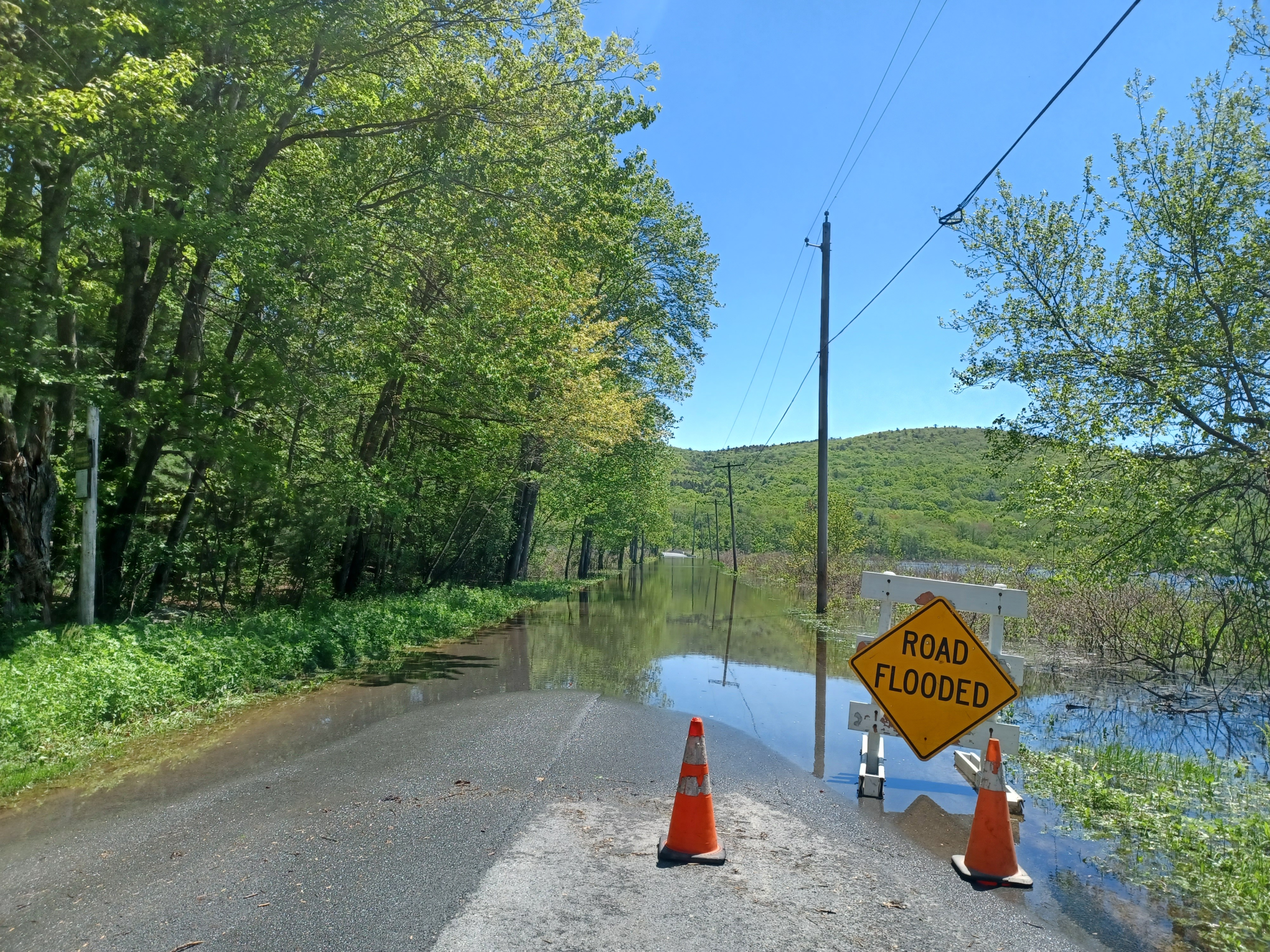
There are two main types of flooding: pluvial and fluvial. Fluvial (like a flume) is when floodwaters come downstream in a river or creek. Pluvial (think like the plop of raindrops) is when floodwaters build up on a surface because rain or snowmelt has nowhere else to go.
We can’t do much about fluvial flooding, but we can certainly try to move the water from pluvial flooding underground where it belongs.
And Plants?
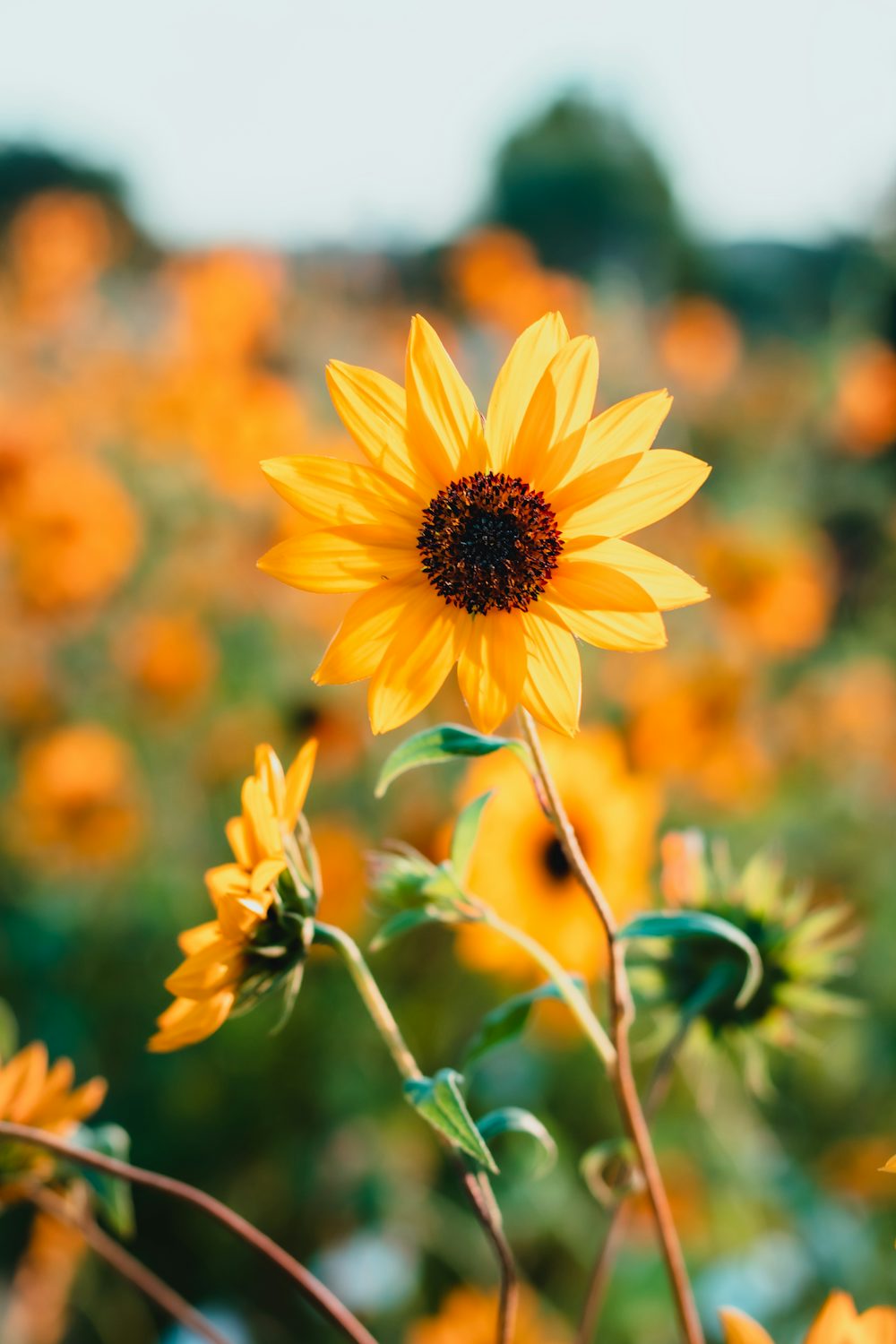
Some plants, like the turf grasses that make up lawns, knit their roots together near the surface of the soil, and compact it so water has a hard time getting in. Other plants, like sunflowers, have root systems that branch out deep, breaking up compacted soils and giving water a place to drain to.
By planting sunflowers and other large-rooted plants, we give water someplace to go: both down, into the earth to drain to the water table, and up, into the plants, where it eventually will be respirated back into the air in a cycle known as evapotranspiration.
Soils and Water
Soils come in many different types, but one of the worst things for soil drainage, which we need to get rid of standing floodwater, is the common grass lawn.
Other things that get in the way of soil absorbing water include asphalt parking lots and any other impervious surface. While we can’t get rid of most impervious surfaces (like our houses) we can get rid of grasses that compact our soil and keep water standing on top of it too long.
Our Mission
The mission of the Sunflower City Program is to reduce harm from flooding using a combination of nature-based solutions (selected plantings) and technology (water depth and leak sensors) in combination with our community (you).
Fill out our contact form to get in touch and find out how you can get involved: